Introduction: Why Electrical Safety Audits Matter Today
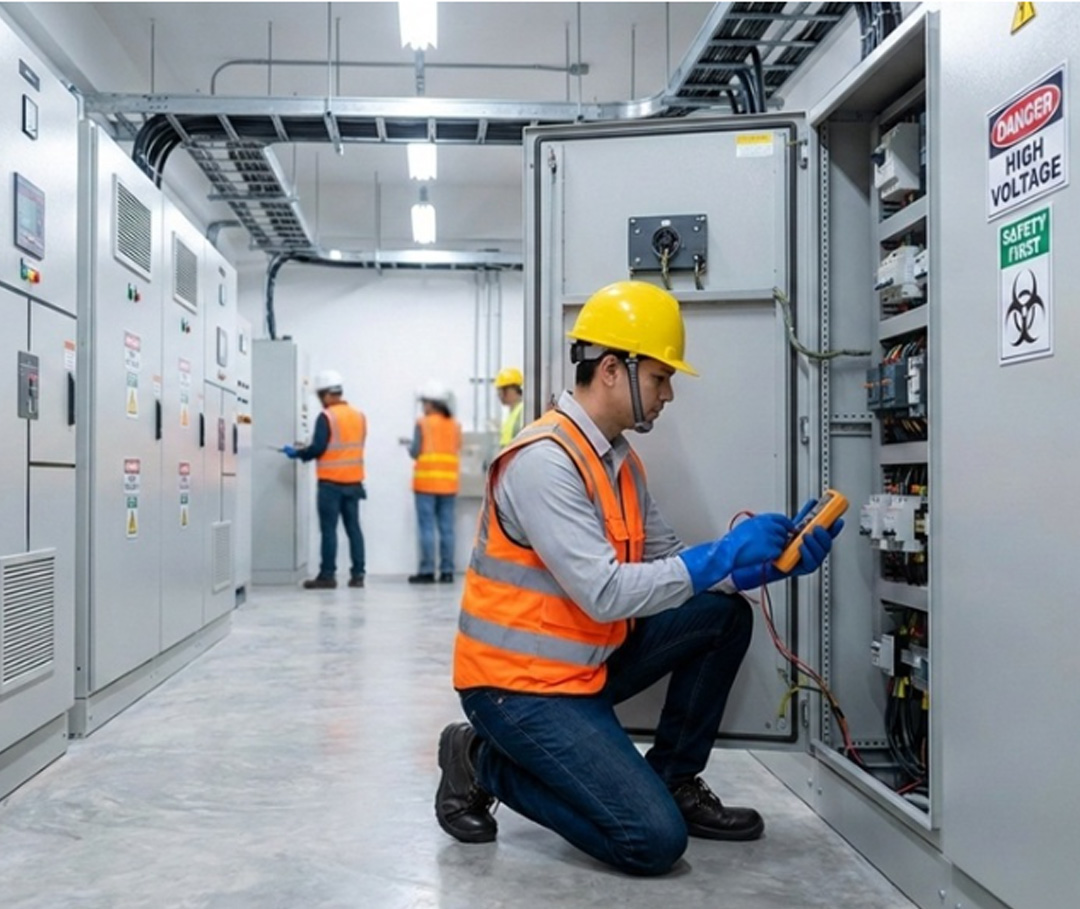


It is the duty and primary responsibility of the owner / occupier / Factory manager to provide safe and hazard proof work environment to his employees. To ensure this, the safety audits are carried out.
A sudden power failure, a minor spark near a panel, or an unexpected equipment breakdown—most industrial accidents don’t begin as disasters. They start as small, unnoticed / ignored electrical issues. For many industrial units and commercial facilities, electrical systems have expanded over the years, but safety checks have not kept pace. This is where an electrical safety audit becomes critical.
With increased dependence on complex electrical systems, rising incidents of electrical fires, shocks, and unplanned downtime have made it clear that reactive electrical maintenance is no longer acceptable. Waiting for failures exposes people, assets, and business continuity to a serious risk. An electrical safety audit acts as a preventive proactive electrical risk assessment, helping organizations detect hazards early, meet compliance expectations, and maintain safe operations.
What Is an Electrical Safety Audit?
An electrical safety audit is a systematic evaluation of an organization’s electrical installations, systems, and practices with respect to relevant standards and guidelines to identify hazards, non-compliance, and potential failure points. In simple terms, it answers one key question: Are your electrical systems safe, compliant, and reliable?
Unlike routine inspections that focus on visible issues or daily maintenance, an electrical safety audit goes deeper. It includes detailed assessment, testing, and verification against safety standards and operational requirements, guidelines.
In the context of electrical safety audit in India, these audits are typically conducted by qualified electrical safety auditors with technical expertise and on field experience. They are applied across industrial plants, commercial buildings, utilities, and infrastructure facilities where electrical reliability and safety are business-critical.
What Is the Purpose of an Electrical Safety Audit?
The core purpose of an electrical safety audit is risk prevention—protecting people, property, and operations before an incident occurs. This purpose can be clearly understood through the following key areas:
1. Identifying Electrical Hazards Before Accidents Occur
Many electrical hazards remain hidden until they cause damage. An audit helps identify:
- Possibility of short circuits caused by insulation failure, sparking, or temperature rise leading to fire due to loose connections.
- Overloading of panels and circuits due to increased load demand.
- Earthing and grounding issues that increase electrical shock risk.
- Deteriorated cables and insulation that may lead to short circuits and fires.
By identifying these risks early, corrective actions can be planned before they turn into accidents.
2. Ensuring Statutory Compliance With Electrical Safety Requirements
One of the most important electrical safety audit requirements is statutory compliance. Organizations are expected to follow applicable safety standards, internal policies, and statutory expectations.
An electrical safety audit in India helps ensure that installations and practices align with recognized safety norms and regulatory guidelines. This is especially important during inspections, renewals, and third-party evaluations, where non-compliance can lead to penalties or operational restrictions.
3. Preventing Electrical Fires and Equipment Damage
Electrical fires are amongst the most common causes of industrial losses. Audits play a direct role in fire prevention by identifying potential causes like overheating points, faulty protection devices, and unsafe load distribution.
By addressing these issues, organizations can protect high-value electrical equipment, reduce repair costs, and avoid unplanned shutdowns that disrupt production and services. Also provides safe and secured work environment to its employees.
4. Improving Workplace Safety and Employee Confidence
Electrical safety is not only about systems—it is about people. A well-executed audit reduces risks of electric shock, arc-flash incidents, and unsafe working conditions.
When employees know that electrical systems are regularly audited and maintained, it builds confidence and reinforces a strong safety culture. A safer workplace also leads to better morale and productivity.
5. Supporting Insurance, Fire NOC, and Third-Party Audits
Insurance providers, fire authorities, and third-party auditors increasingly expect documented proof of electrical safety measures undertaken by the organization. Electrical safety audit reports demonstrate that an organization has taken reasonable steps to identify and control risks.
Safety Audit Reports often play a key role in insurance assessments, fire NOC processes, and compliance reviews.
For the organizations willing to proactively identify electrical hazards and meet electrical safety requirements, engaging experienced right kind of professionals is critical. SAS Powertech provides comprehensive Electrical Safety Audit services designed to help industrial and commercial facilities assess risks, improve compliance, and strengthen electrical safety management.
Purpose of Electrical Safety Audit in India
Understanding the purpose of electrical safety audit in India is requires looking at ground realities. Many facilities operate with aging electrical infrastructure while simultaneously increasing electrical loads due to expansion and modernization.
This combination increases risk. Electrical safety audits help bridge the gap between old systems and new operational demands. They also support compliance expectations during inspections and renewals, where authorities look for evidence of proactive safety management rather than reactive fixes.
What Does an Electrical Safety Audit Typically Cover?
While the exact scope varies, a professional audit generally follows an electrical safety audit checklist that includes high-level assessment of:
- Electrical panels and distribution boards.
- Earthing and grounding systems.
- Cable routing, insulation condition, and terminations.
- Protective devices such as circuit breakers, MCBs, MCCBs, relays, and fuses.
- Maintenance practices, records, documentation, and SOPs.
This structured approach ensures consistency, thoroughness, and reliability in audit findings.
Role of a Certified Electrical Safety Auditor
Electrical safety audits must be conducted by trained professionals. A certified electrical safety auditor in India brings technical knowledge, practical experience, and an independent perspective.
Unlike internal checks, independent audits reduce bias and help identify issues that may be overlooked due to familiarity or routine practices. Certification and experience also ensure that audit findings are authentic, credible, accurate, and aligned with accepted safety standards.
Electrical Safety Audit Reports: Documentation & Records
Audit findings are documented in formal reports, often shared in documented formats such as PDF for record-keeping and reference. These reports serve multiple purposes:
- Demonstrating compliance during inspections.
- Guiding corrective and preventive actions.
- Supporting future audits and safety planning.
Clear documentation ensures that safety improvements are tracked and verified over time.
Benefits of Conducting Regular Electrical Safety Audits
Organizations that conduct audits regularly, experience clear operational advantages:
- Demonstrating compliance during inspections.
- Guiding corrective and preventive actions.
- Supporting future audits and safety planning.
Each benefit directly supports business continuity, which is the ultimate goal of any safety initiative.
When Should Organizations Conduct an Electrical Safety Audit?
Electrical safety audits should not be treated as one-time activity, they are recommended:
- After any addition, replacement, new installation, or system expansions.
- When electrical loads increase.
- Following electrical incidents or near-misses.
- Frequent system failures and breakdowns.
- During periodic safety reviews.
- Before statutory, insurance, or third-party inspections.
Timely audits help organizations stay ahead of risks rather than reacting to failures.
Conclusion: Electrical Safety Audits as a Preventive Safety Strategy
The purpose of an electrical safety audit goes far beyond compliance. It is a preventive proactive safety strategy that protects people, assets, and operations. By identifying hazards early, ensuring compliance, and supporting safe working environments, audits become an essential part of responsible facility management.
Organizations that prioritize electrical safety audits demonstrate commitment to safety, reliability, and long-term operational stability. Engaging experienced electrical safety audit professionals ensures that this responsibility is met with expertise, accuracy, and confidence.
Ultimately cost of Electrical Safety audits is not an expenditure, it’s an investment for better future!!!
Frequently Asked Questions (FAQs)
Why is an electrical safety audit important for industries?
An electrical safety audit is important because it helps identify hidden electrical hazards before they cause accidents, equipment damage, or downtime. It supports safer operations, improves compliance, and helps organizations maintain reliable electrical systems.
How often should electrical safety audits be conducted?
Electrical safety audits are generally recommended annually. However, facilities with high electrical loads, system expansions, or frequent electrical issues may require more frequent audits to maintain safety and reliability.
What is included in an electrical safety audit?
A typical electrical safety audit includes inspection of electrical panels, earthing systems, cable conditions, protective devices, load distribution, and safety documentation. The goal is to identify risks and recommend corrective actions.
Who should conduct an electrical safety audit?
Electrical safety audits should be conducted by qualified and experienced electrical safety auditors. Certified professionals bring technical expertise, independent evaluation, and practical recommendations aligned with safety standards.
How do electrical safety audits help prevent electrical fires?
Electrical safety audits help detect overheating connections, overloaded circuits, faulty protection devices, and insulation failures. Addressing these issues early helps reduce the risk of electrical fires and system failures.
What are the benefits of regular electrical safety audits?
Regular audits help reduce electrical accidents, improve compliance readiness, extend equipment life, lower maintenance costs, and strengthen workplace safety culture. They also support business continuity by minimizing unexpected downtime.