Introduction: Why Electrical Safety Audits Matter Today
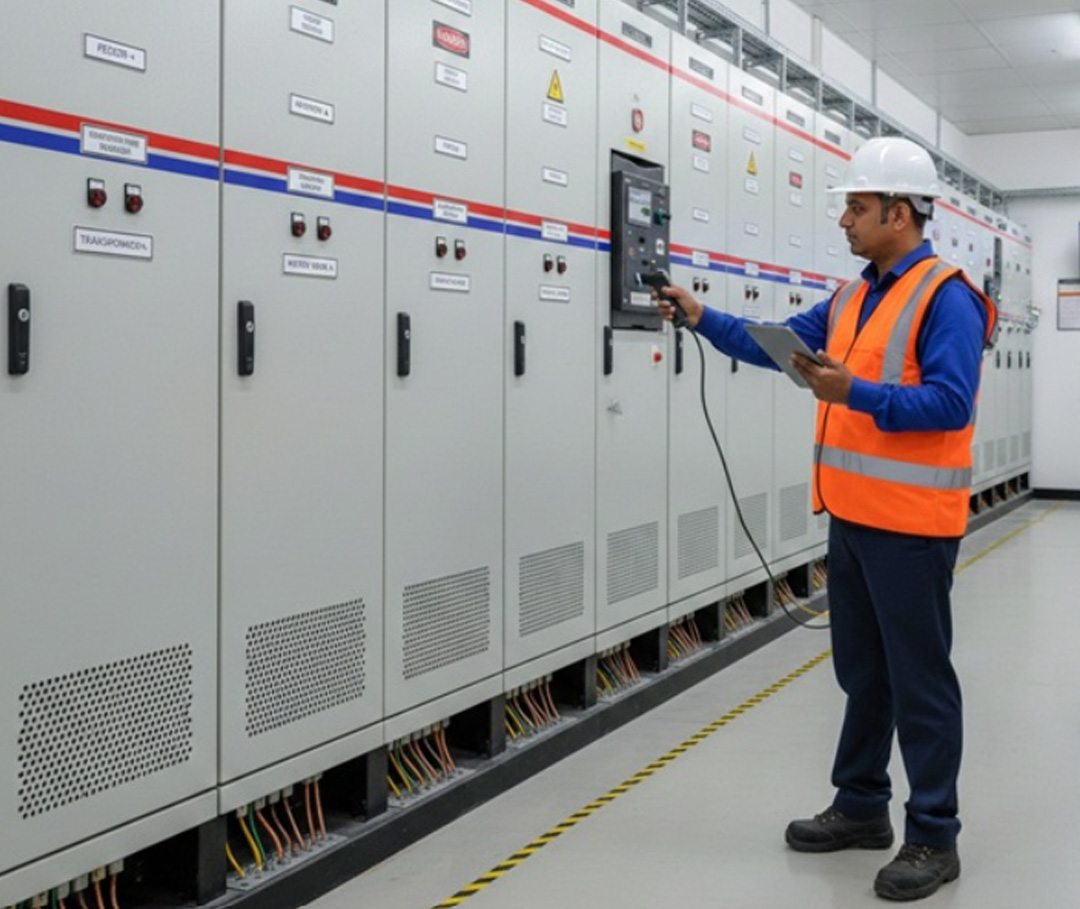


A sudden power failure. A small electrical spark near a panel. A short circuit that stops production for hours. Most electrical accidents in Indian industries don’t begin with a major disaster—they start with ignored warning signs.
Today, many factory owners and facility managers ask the same question: Is an electrical safety audit mandatory requirement in India just a recommended best practice? This confusion often leads to delayed audits, incomplete compliances, and avoidable risks.
With electrical accidents increasing across industrial and commercial spaces, the consequences of non-compliance are no longer limited to repair costs. They include legal penalties, operational shutdowns, insurance claim rejection, reputational damage, and risk to human life, down employee’ morale and productivity.
What Is an Electrical Safety Audit?
An electrical safety audit is a structured assessment of an organization’s electrical systems to ensure they are safe, compliant, and reliable. It involves inspection, testing, evaluation, and risk identification across electrical installations, panels, cables, earthing systems, and protective devices.
It is important not to confuse an electrical safety audit with routine maintenance or an energy audit. Maintenance focuses on keeping systems running, while energy audits focus on electrical efficiency and cost savings. An electrical safety audit, however, focuses on risk prevention, statutory compliance, and protection of people and assets.
In simple terms, it answers one vital question: Are your electrical systems safe and legally compliant today?
Is an Electrical Safety Audit Mandatory in India?
The short answer is yes—under specific and widely applicable conditions.
Indian electrical laws may not always use the exact phrase “electrical safety audit,” but they clearly place responsibility on employers, owners, and occupiers to ensure that electrical installations are safe and periodically inspected. In practice, an electrical safety audit is the most accepted way to demonstrate that this responsibility has been fulfilled.
Authorities often demand documented proof of electrical safety compliance during inspections, after accidents, while renewing approvals, or when insurance claims are filed. In such situations, an electrical safety audit report becomes essential evidence of compliance.
To meet these regulatory expectations, many organizations rely on professional electrical safety audit services that follow Indian standards and provide clear, inspection-ready documentation.
Legal Framework Governing Electrical Safety in India
Electricity Act, 2003
The Electricity Act, 2003 places clear responsibility on:
- Owners
- Occupiers
- Employers
to ensure that all electrical installations are safe, properly maintained, and do not pose danger to life or property.
Failure to comply can result in penalties, prosecution, or disconnection of supply.
Central Electricity Authority (CEA) Safety Regulations
CEA Safety Regulations lay down mandatory requirements for:
- Design and installation of electrical systems
- Operation of electrical equipment
- Periodic inspection and testing
These regulations expect organizations to identify hazards and correct unsafe conditions proactively, which is exactly what an electrical safety audit achieves.
Indian Electricity Rules & State Electrical Inspectorate
State Electrical Inspectorates, headed by the Chief Electrical Inspector, are responsible for:
- Approvals of electrical installations.
- Periodic inspections.
- Accident investigations.
During inspections, organizations are often asked to provide audit reports, test records, and compliance documentation.
Key takeaway: Electrical safety audits are the most reliable way to demonstrate compliance with Indian electrical laws.
Which Industries Are Legally Required to Conduct Electrical Safety Audits?
Electrical safety audits are especially critical—and effectively mandatory—for:
- Manufacturing plants.
- Factories with HT/LT electrical installations.
- Data centers and IT parks.
- Hospitals and healthcare facilities.
- Commercial complexes and shopping malls.
- Warehouses and logistics hubs.
- Infrastructure and EPC projects.
Factors that increase legal obligation include:
- High connected electrical load.
- HT installations.
- Complex distribution systems.
- Continuous or critical operations.
In such environments, periodic electrical safety audits are not optional—they are expected.
What Happens If an Electrical Safety Audit Is Not Conducted?
Skipping or delaying an electrical safety audit exposes organizations to real and measurable risks. In the event of an electrical accident, liability often falls directly on the employer or facility owner. Authorities may impose penalties or order partial or complete shutdowns until safety issues are resolved.
Insurance companies may reject claims related to fires or equipment damage if electrical safety documentation is missing or outdated. Beyond financial loss, repeated incidents damage employee confidence, business continuity, and brand reputation.
In most cases, the cost of non-compliance far exceeds the cost of conducting regular audits.
How Often Is an Electrical Safety Audit Required in India?
There is no single frequency that fits all facilities, but common practices include:
- Annual audits for most industrial and commercial facilities.
- Bi-annual audits for high-risk or critical installations.
Immediate audits are required after:
- Electrical accidents or shock incidents.
- Fire incidents.
- Major equipment upgrades or load expansion.
- Regulatory notices or inspection observations.
Regular audits help organizations stay compliant and avoid last-minute corrective actions.
Who Is Authorized to Conduct an Electrical Safety Audit?
Electrical safety audits should be conducted by:
- Qualified electrical safety auditors.
- Experienced third-party audit firms.
Auditors must have:
- Knowledge of Indian electrical standards.
- Experience with industrial and commercial systems.
- Understanding of statutory compliance requirements.
Independent and unbiased audits ensure credible findings and acceptable documentation for authorities and insurers.
What Does an Electrical Safety Audit Report Include?
A professional electrical safety audit report provides a clear picture of the current safety status of electrical systems. It identifies hazards and non-compliances, categorizes risks based on severity, and references applicable standards and regulations.
Most importantly, it includes corrective action recommendations with clear priorities. This allows organizations to plan improvements systematically rather than reacting under pressure. The report also serves as official documentation during inspections, audits, and insurance reviews.
How Electrical Safety Audits Help Organizations Stay Compliant
Regular electrical safety audits help organizations achieve:
- Continuous regulatory compliance.
- Reduced risk of electrical accidents.
- Lower unplanned downtime.
- Better insurance acceptance.
- A safer workplace culture.
- Long-term protection of electrical assets.
Audits shift safety from reactive firefighting to proactive risk management.
Why Choose a Professional Electrical Safety Audit Firm?
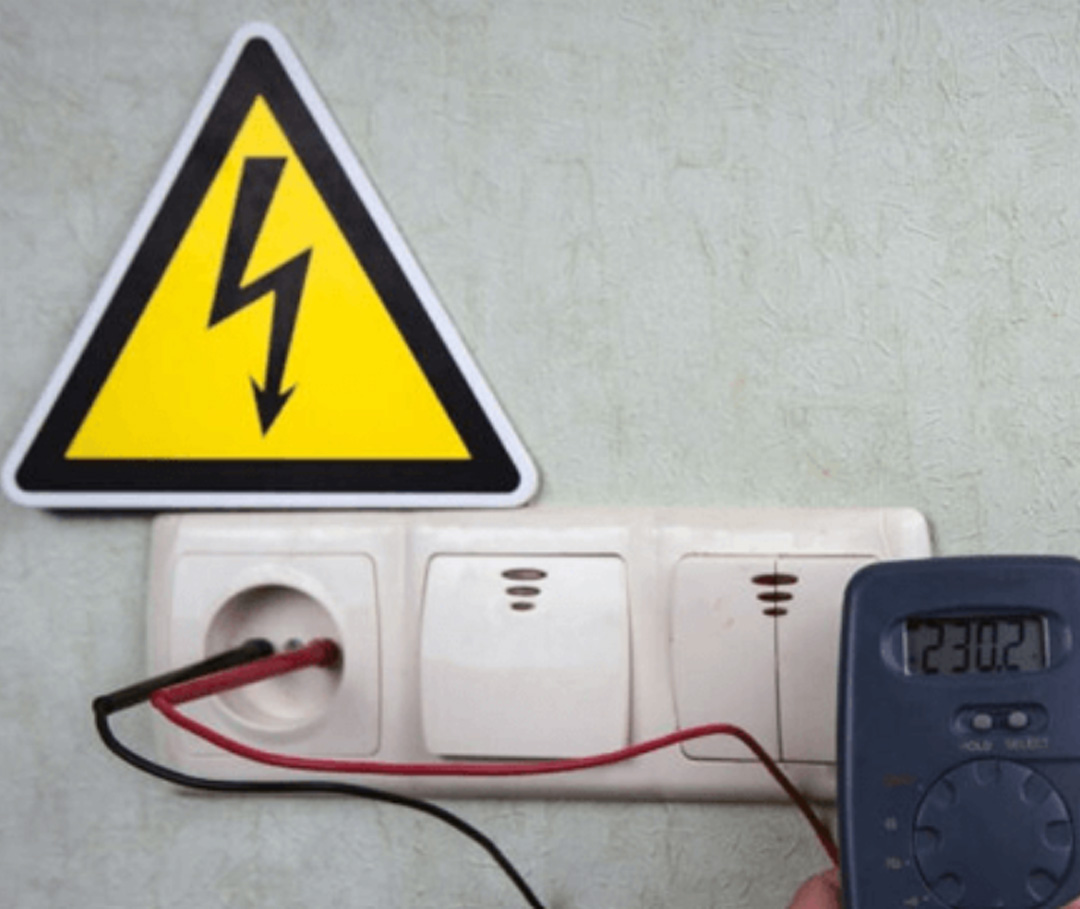
A professional audit firm brings:
- Technical expertise.
- Deep knowledge of Indian regulations.
- On-site inspection capability.
- Transparent and actionable reporting.
- Cost-effective corrective guidance.
The goal is not just compliance—but safe, reliable, and sustainable electrical operations.
At SAS Powertech, electrical safety audits are carried out with a strong focus on statutory compliance, practical risk reduction, and transparent reporting—helping organizations meet regulatory requirements while maintaining safe and reliable operations.
Conclusion: Compliance Is Not Optional—Safety Is Non-Negotiable
So, is an electrical safety audit mandatory in India? From a legal, operational, and risk-management perspective—the answer is yes.
Electrical safety audits are no longer optional paperwork. They are a critical assessment of compliance and safety requirement for Indian industries and commercial facilities.
Organizations that act proactively avoid penalties, protect people, and ensure business continuity. Those who delay often pay a much higher price later.
Frequently Asked Questions
Is electrical safety audit mandatory for factories in India?
Yes. Factories with HT/LT installations are expected to ensure electrical safety through inspections and audits.
Who enforces electrical safety compliance in India?
State Electrical Inspectorates and authorities under the Electricity Act enforce compliance.
Can insurance claims be rejected without an audit?
Yes. Insurers often ask for electrical safety records after accidents or fires.
What documents are checked during an electrical safety audit?
Installation drawings, test reports, maintenance records, earthing data, and safety procedures are commonly reviewed.